Monday, August 31, 2015

Once upon a time...the art of reading a picture book

This summer I read aloud "My Wilderness" to many groups of children. It is always the last part of my children's program presented at each sitting. This simple act, of reading my own picture book to a living, breathing audience, makes a great and personal impact. In one neat and tidy seven minute interlude, it boils down why I write and create books for children. It's me, the book, the child, and imagination. Period. In fact, I don't believe a book is fully alive until the author reads it aloud herself to kids. The act of reading, and being read to, has to be one of the top most human experiences.

Reading out loud however is not as easy as I assumed. Here's some practical advice on reading to kids as a picture book author.

1. The Established Storytime Hour

Many storytimes I read at are scheduled, weekly event slots in book stores or libraries. This is great for good attendance, but these audiences tend to be a wide age-range. Scanning the crowd a few minutes before reading helps me to define the medium age and if I'll need to paraphrase some of my text. I want everyone to get something from the reading if I can. I don't want to dumb-down my work but when the group is mostly wriggly toddlers, it pays to keep it short and sweet and let the pictures do most of the talking.

2. Let's get physical! 

I had eyes like an eagle until a few years ago, but now I succomb to wearing glasses when reading. I realized at one of my first storytimes how difficult it is to read out loud while holding a book for the audience to see, especially wearing bi-focals. The words tend to blur out at this side-ways on angle! I felt like a flamingo bird trying to bend my neck to ensure the book could be seen but I could still read! I've now memorized more of the longer stretches of text, which helped improve my timing and expression and frees me from having to look at the book as much. It is also note-worthy to say practicing reading aloud is beneficial.

3. Props to you

I've alway been on the shy side regarding public presentations, so I enjoy a good prop or two to hide behind! Revelent objects to share help me and the story gain connection with the kids before I read.  For "My Wilderness", a "real" Squirlie  (the beloved stuffed animal in the story that I have a replica of), accompanies me to help illuminate my words and my research process.

4. Know Thy Own Work

Every picture book is different of course, but assessing what particular book you've created in audible terms is worth contemplating before reading (even before writing!). "My Wilderness" is historical fiction, rather long (about 1000 words) for a picture book, but narrative in flow, with several "suspense" page turns. I now anticipate what I've indentified as the "good spots" of the book at each reading. The kids always love the question-answer page turns, where Rocky "sees" potential dangers that turn out for the best. Kids also predicably love the "naked" page, where the characters run out sans clothes to bathe in snow! I also get a surprising reaction when I read the page about a pair of ladie's boots Rocky had to wear out of necessity. One young man defended Rocky quite indignantly at one reading, calling out to me "Well, they were the ONLY boots he had!!!".

I loved that moment. Rocky had made a friend in the front row.

4. Relax!

There can be an awful lot going on in a 20 minute program for kids; potty breaks, melt downs, severe cases of the wiggles, complete and utter boredom, even parental indiscretions (cell phone use or talking!). All can distract from the cozy reading experience I had in mind. Go with the flow. I'm always amazed at what kids will pipe up and share about the story afterward that remind me that my young audience is used to absorbing through white noise. Just do your job and have fun even if it gets rowdy!


With every reading, I learn something about myself, my work and children as readers. It has opened my eyes to how stories are absorbed. It makes me hungry to create more stories. It makes me hungry to hear them, too!

From "My Wilderness".


Monday, June 15, 2015

My Wilderness takes a tour!

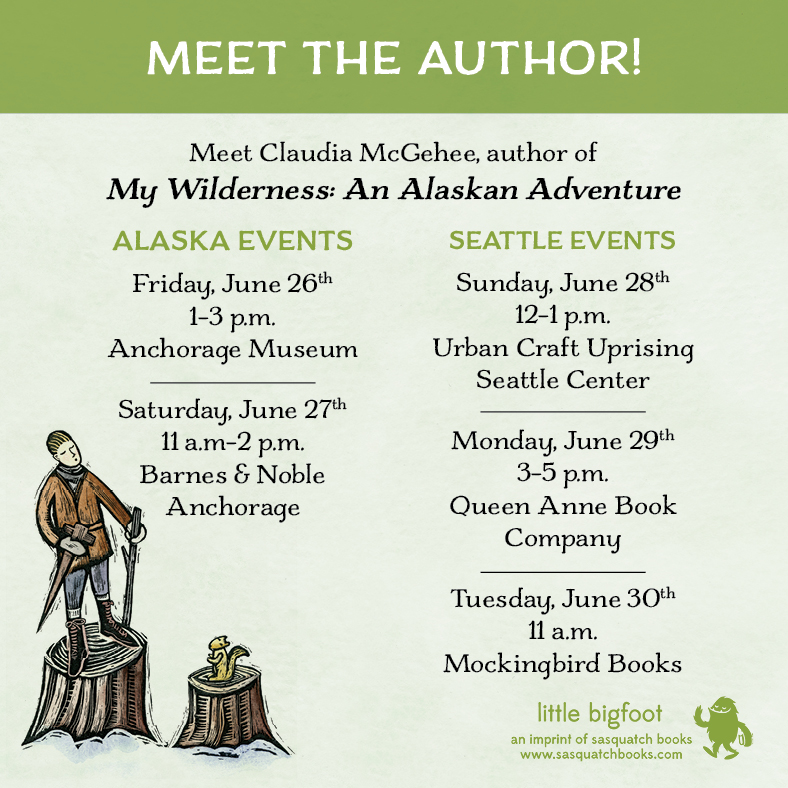
If you're in Seattle or around the Anchorage area, please stop by one of the venues listed below. I'd love to meet you!


Tuesday, June 9, 2015

Growing books

Crazy summer days... not my favorite studio time. I'm distracted by my garden and the in-and-out vacation schedules. But work continues to flow and deadlines get accomplished along with staking up iris and sowing sunflowers and seeing new places and connecting with family.

Sometimes, publishing timing gets a little crazy, too. I have one book I'm currently promoting (My Wilderness, An Alaska Adventure/ Sasquatch), one book at the printers (North Woods Girl/ by Aimée Bissonette, Minnesota Historic Society Press) but poised for fall release, and another book (Creekfinding/ by Jackie Briggs Martin, University of Minnesota) to work on. That's three book-kids that need different sorts of attention any given day!

North Woods Girl is pretty quiet right now. What's done is done, on my part.  I can't wait for people to see and read it. The subject is lovingly written and demonstrates the bonding power of nature, a continual theme through my own art work. I'm proud of this one.

Creekfinding is in the early stages of sketching. Such a heady time, as I try and express this fine story  of environmental restoration through my illustration. At sketch stage, I often feel lost and agitated, then suddenly seeing the light and having the pages start to feel cohesive. It is both exciting and frustrating, as most creative processes feel.

My Wilderness continues to journey forth. I'll be visiting the Seattle area and Alaska later this month and do some signings and readings. It's nice to see Rocky's story being appreciated.

And so, on this sunny June day, sometimes by combining my passions, by illustrating out on the screened-in porch (nearly in the garden!), with a quick breaks pulling weeds, everything gets done eventually!


Thursday, May 28, 2015

Heavenly Picnic


Rochester Cemetery


One recent sunny May morning, 
at the Rochester Cemetery, Cedar County, Iowa, 
just me and three good friends, a variety of native prairie and
 oak savannah plants, 
a few very old Iowans, 
a picnic, a million gnats, bird call,
and Enchantment.


Earth to earth

Pushing up, well, you know...

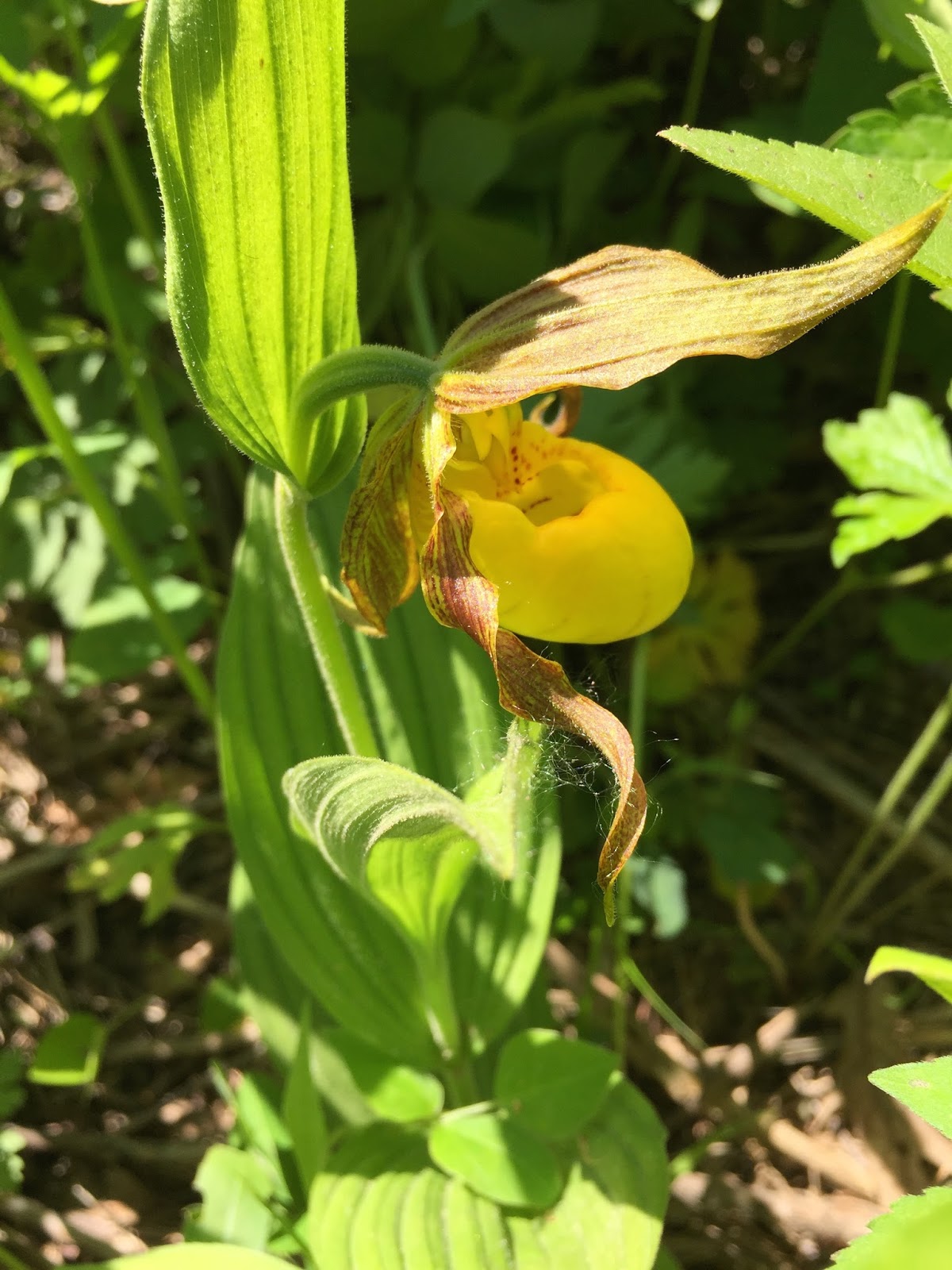
wild geranium

A rare lovely

Find out this one's name!! Camo-moth...

My Elysium

To the picnic spot

Cemetery salad (a spinach, snap peas, avocado, red pepper, roasted pecan nut conglomeration),
Heavenly Olive Bread, Rhubarb pie, Prosecco...

Pie with Dairy Queen, eaten in the CRV to escape the bugs! (coffee too; it was cozy!)

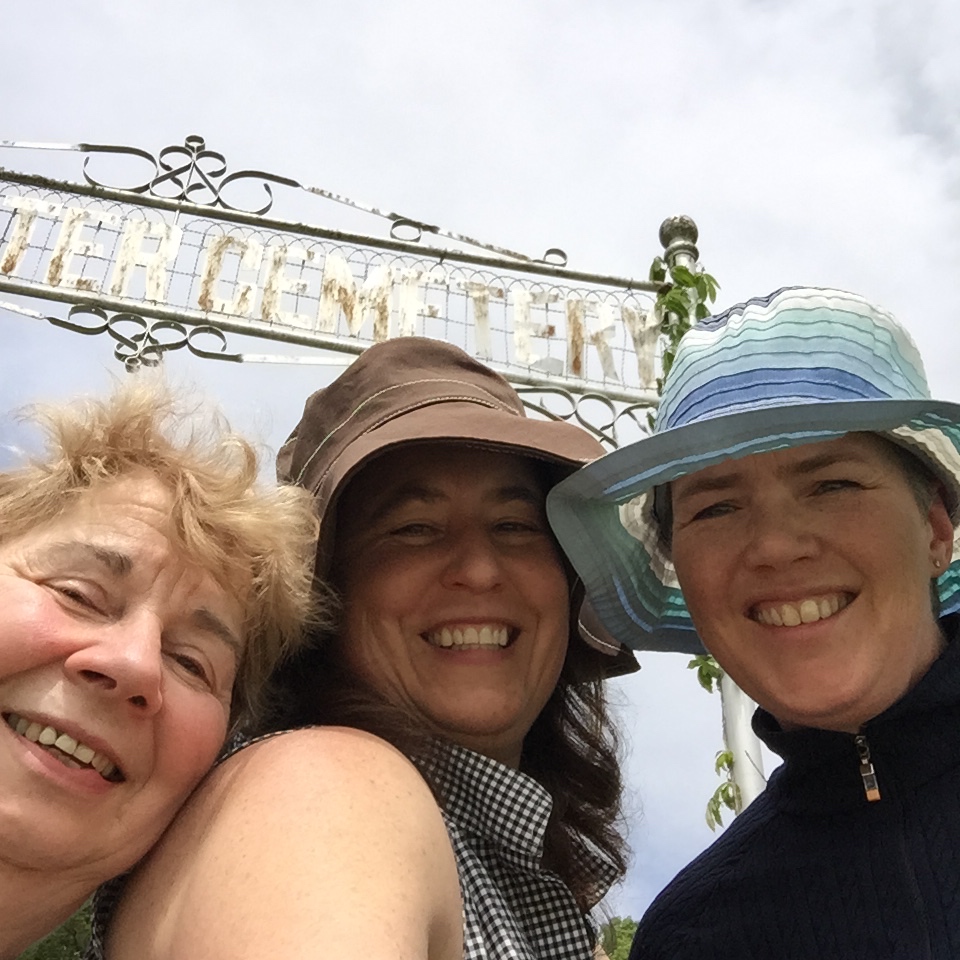
Three friends- Jackie Martin, Me and Anne Ylvisaker


So long, good-bye

Friday, May 8, 2015

Happy Childrens' Book Week!

Often after programs, I’m asked about my favorite picture books. Oh, there are so many that stand out! Every year, I pick my own winners and bestow a personal Caldecott. The titles I grew up with I have loved the longest and have a special place on my book shelves.  In general, I am prone to love picture books that involve nature, and of these, books that show nature big and people smaller really win my heart. I also like underdog stories, a plot that involves a triumphant return. And Virginia Lee Burton’s “The Little House” hits this mark for me. Burton both wrote and illustrated “The Little House”, first published in 1942. It won the Caldecott that next year. “The Little House” continues to turn up on Top 100 Best Picture Books Ever list. I still look to it for inspiration.

As part of Children’s Book Week, here’s a few lines on “The Little House” and why I love it.

“The Little House” is about well, a happy little house, built with love on a beautiful spot in the country. She sees the seasons come and go in a happy rhythm of life. Time passes. Children grow up. Owners grow old. The countryside around her changes until the once distant city now engulfs the Little House. There she remains for a long while, unnoticed and unloved by the throngs of people that rush by. At last, she is recognized and rescued by a family member who moves her out to a new spot in the country. A happy ever after ending.

The things I love about this book? Certainly, as a conservationalist, the cautionary message of urban sprawl resonates. Since we moved to Iowa City 22 years ago, our city has grown and changed, and not all for the good. Not that growth is all bad, it’s just that the instigators need to keep mindful of not only what we gain with every new build, but what we loose. And we’ve lost of lot of natural habitat to new development. Native birds and animals are really pinched to find large enough areas to live and prosper. Iowans truly see our wildlife and lands as a special part of our region’s identity. We should consider this before another meadow is plowed under for condos. The Little House reminds us to cherish open space, to learn and grow in. It wouldn’t be a bad idea for every developer and builder in Johnson County (and beyond!) to keep a copy of “The Little House” on their bed-time nightstands.

I love the sense of the cycle of life in “The Little House”. Everything is circular. Beginnings lead to endings that lead to beginnings again. What is old can be new. A gentle sense of the impermanence of things also part of the Little House cycle. It reminds us that we come and go.
Burton does a brilliant job of using the four seasons as structure in her book. The seasons are human kind’s original organizer. Before we had iPhones and Blackberries to help us out, we looked to nature to say “Hey, it’s time to harvest our food, or gather wood, or plant the beans, or move” So simple and connected!

Lastly, Burton’s illustration style has always talked to me, as a visual artist and writer. I admire the strong sense graphic design in her work. The round, sturdy compositions include the words as part of the whole visual image. I also like how she personifies the Little House in a subtle, not an overly sweet and cartoony way. The Little House’s contented look comes from her upturned window eyes and her front porch smile. Her sadness comes from her broken out window eyes and her sagging porch. There is an easy lesson in empathy here. The Little House's gaze still warms me after all these years.


Thursday, May 7, 2015

Spread the Word...

Keep Garlic Mustard from spreading!

Just a little public service announcement, illustrated of course. Garlic mustard is an invasive that's choking out a lot of native plants. It's flowering right now, so if you see a stand, pull the plants up by the roots and dispose of in your regular garbage.


Blog Archive